Shimizu K Lab

(Interdisciplinary Graduate School of Medicine, Pharmacy, Science and Engineering)
(Graduate School of Science and Engineering)

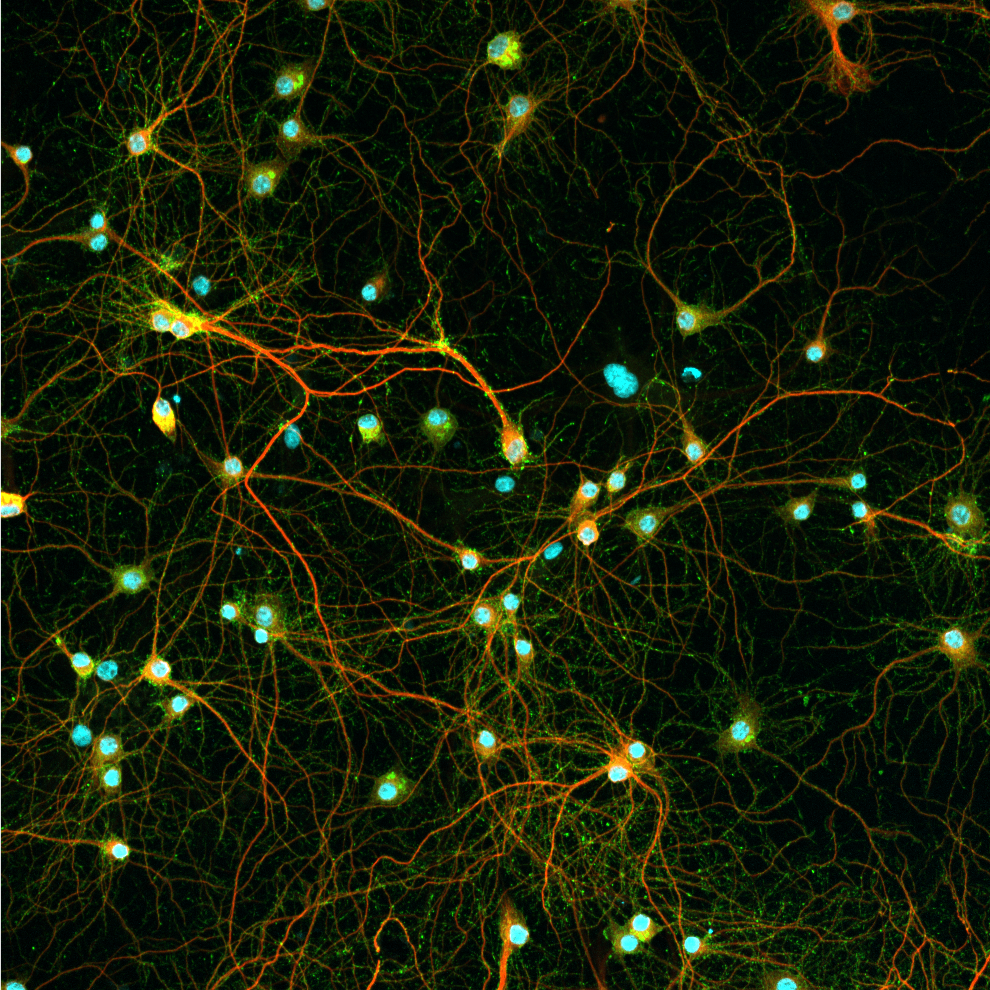
Our research at the Laboratory of Behavioral Neurochemistry focuses on the diurnal regulation of memory formation and emotional control, using comprehensive approaches that integrate molecular, cellular, and behavioral analyses.

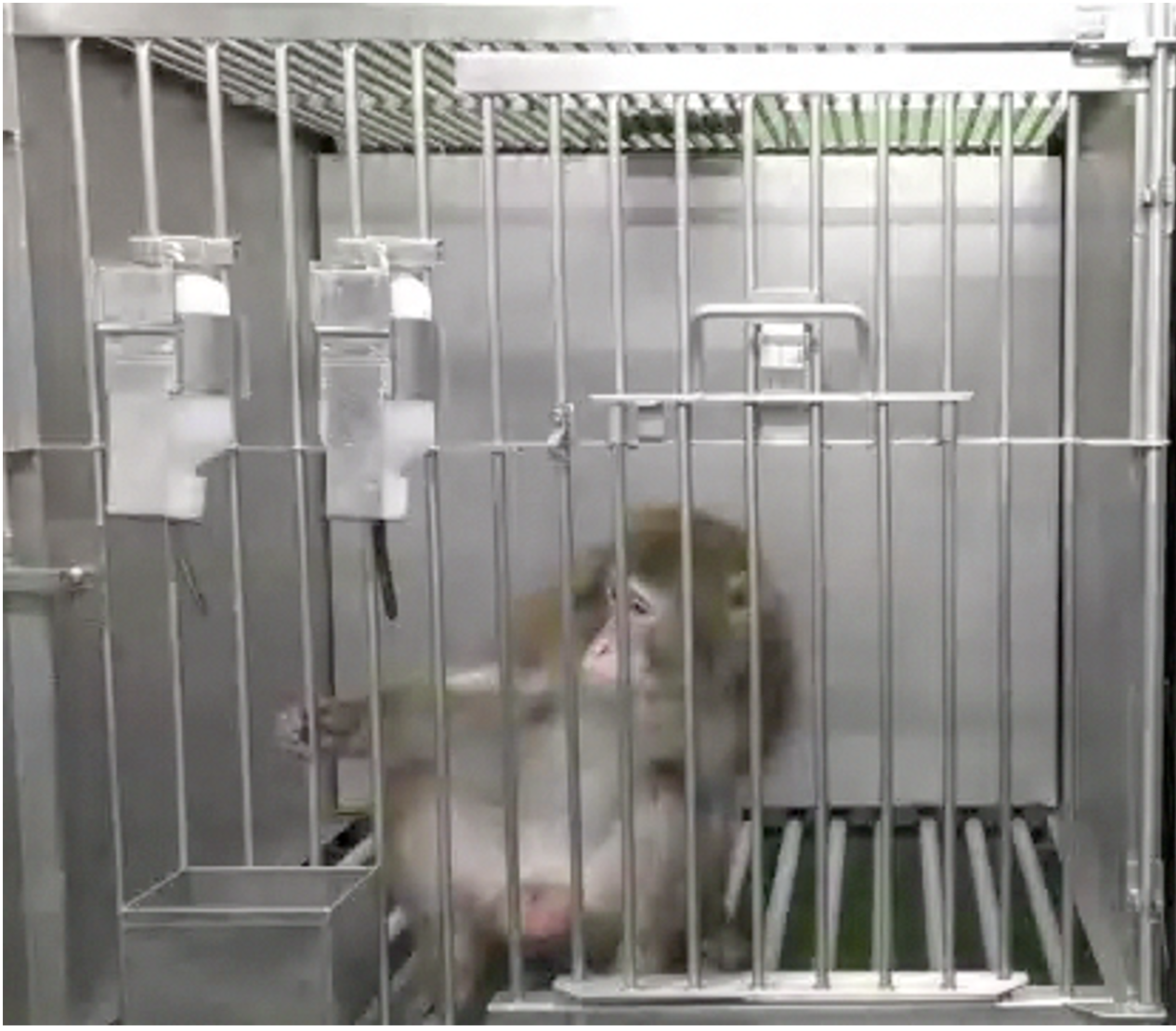
Circadian Clock Memory Consolidation emotions, affect Neurosteroids SCOP / PHLPP1 Synaptic Plasticity Mouse・nonhuman primate
Research projects

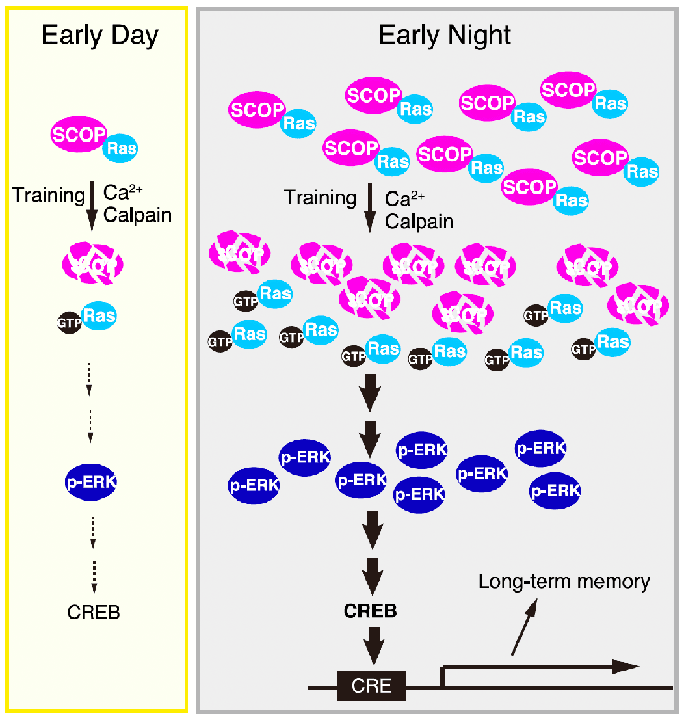
海馬におけるSCOP分子の時間依存的な変化とK-Ras-ERK/MAPK-CREB経路の制御シグナル図

1. Molecular Signaling Mechanisms Underlying Circadian Rhythms of Memory and Emotion

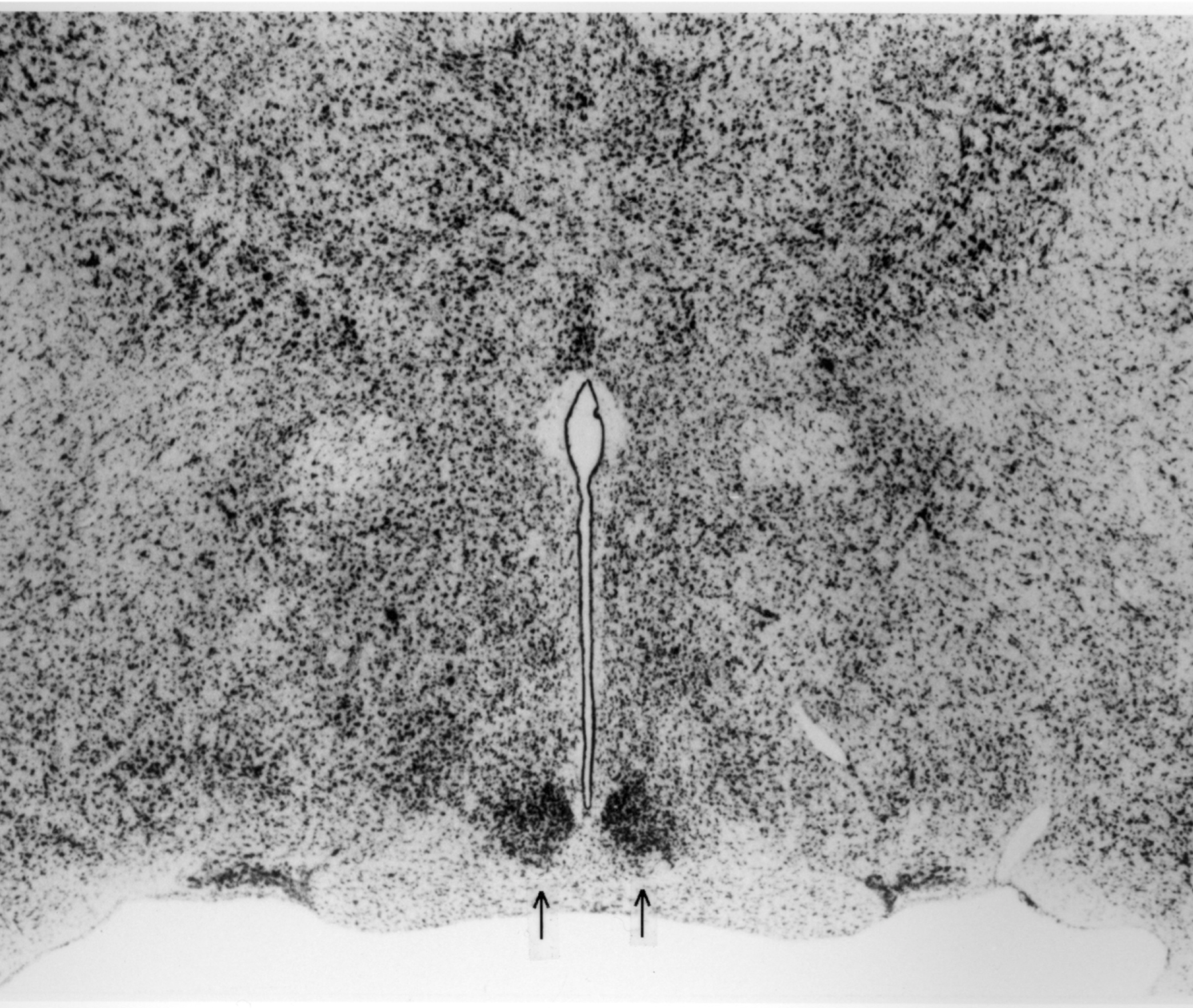
We have demonstrated that time-of-day-dependent fluctuations of SCOP (Suprachiasmatic Nucleus Circadian Oscillatory Protein) in the hippocampus regulate the K-Ras-ERK-CREB pathway, which is essential for memory formation. Furthermore, we discovered that anxiety-like behaviors in mice also exhibit time-of-day-dependent variations, driven by SCOP fluctuations within the amygdala. Currently, we are further investigating the detailed underlying mechanisms of these processes.(Shimizu et al., Nature Communications)(Nakano et al., Scientific Reports) (Shimizu et al., Molecular Brain)

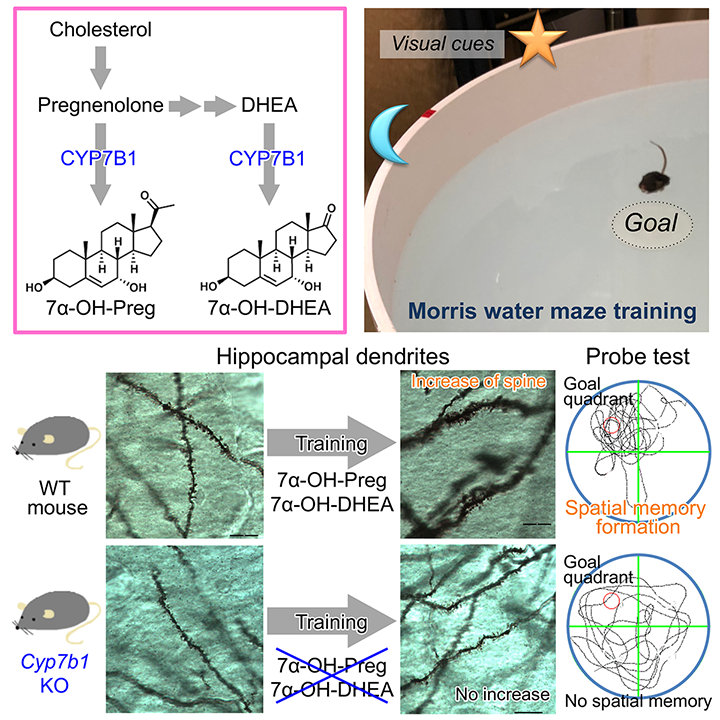
新規ニューロステロイドによる海馬の神経スパイン密度上昇と遠隔空間記憶の長期維持メカニズムの図解

2. Regulation of Memory and Emotion by Neurosteroids

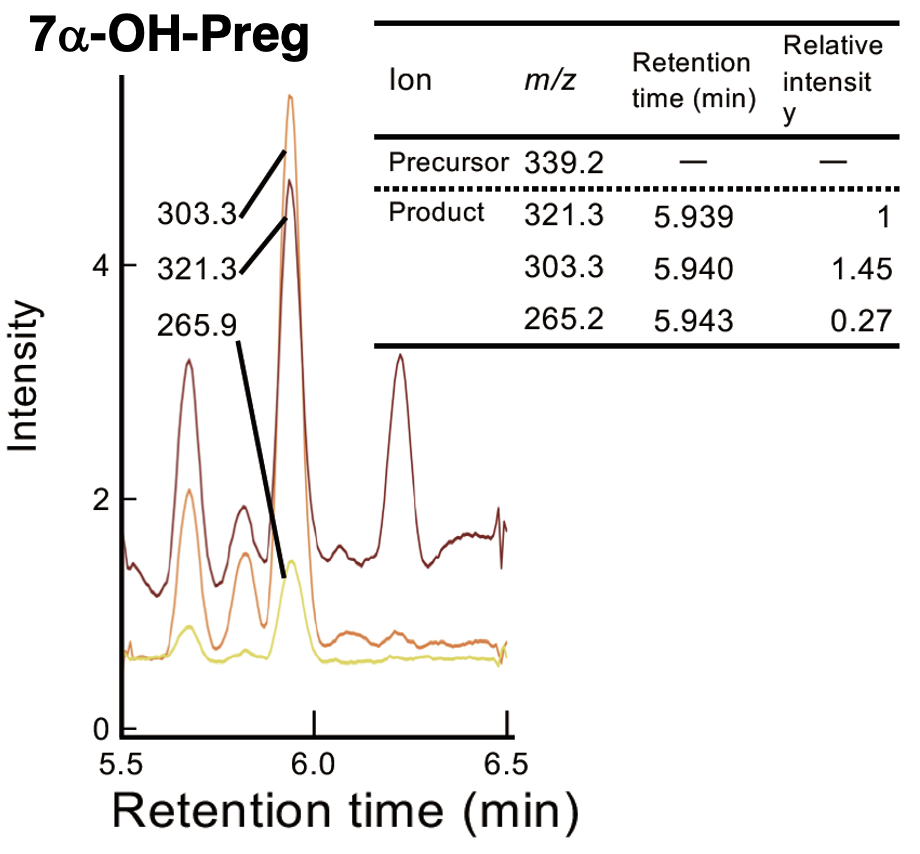
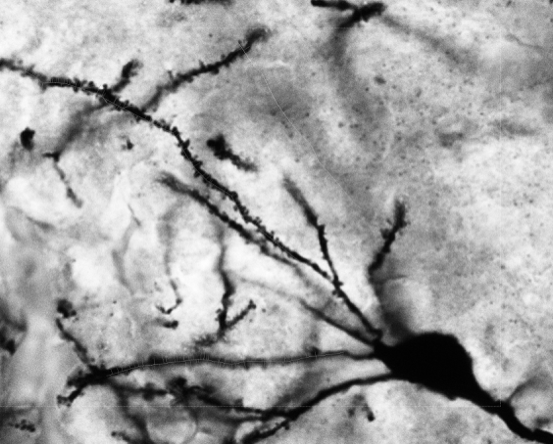
Neurosteroids are a class of steroid hormones synthesized from cholesterol within the brain. We have discovered that two specific neurosteroids, 7α-hydroxypregnenolone (7α-OH-Preg) and 7α-hydroxydehydroepiandrosterone (7α-OH-DHEA), are essential for the long-term maintenance of spatial memory. This maintenance process is accompanied by structural changes in dendritic spines within the hippocampus. In mice deficient in the synthesis of these neurosteroids, memories are successfully formed initially but fail to be maintained over the long term. We are currently expanding our research to elucidate the precise molecular and cellular mechanisms through which these neurosteroids support memory retention.

梨状皮質の時計分子による匂い誘発性神経活動のゲート制御システムのイラスト

3. Diurnal Fluctuations in Synapse Formation

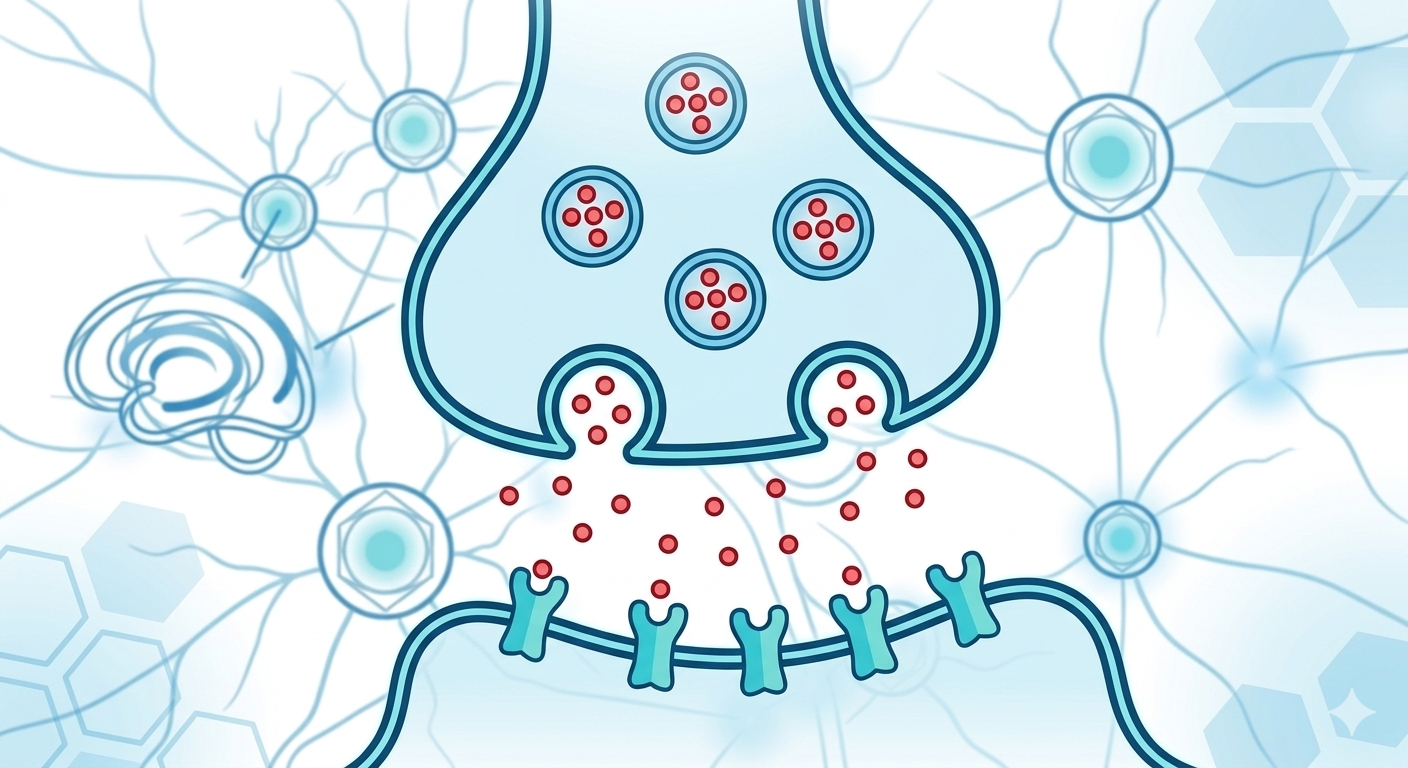
We aim to visualize neuronal synapses to elucidate their activity-dependent and time-of-day-dependent changes.

4. Autism and Biological Rhythms

Our research focuses on uncovering how autism-associated sleep disturbances occur. By understanding these mechanisms, we aim to clarify the crosstalk between autism and the biological clock, paving the way for therapies to alleviate these symptoms.

Equipment/Methodologies

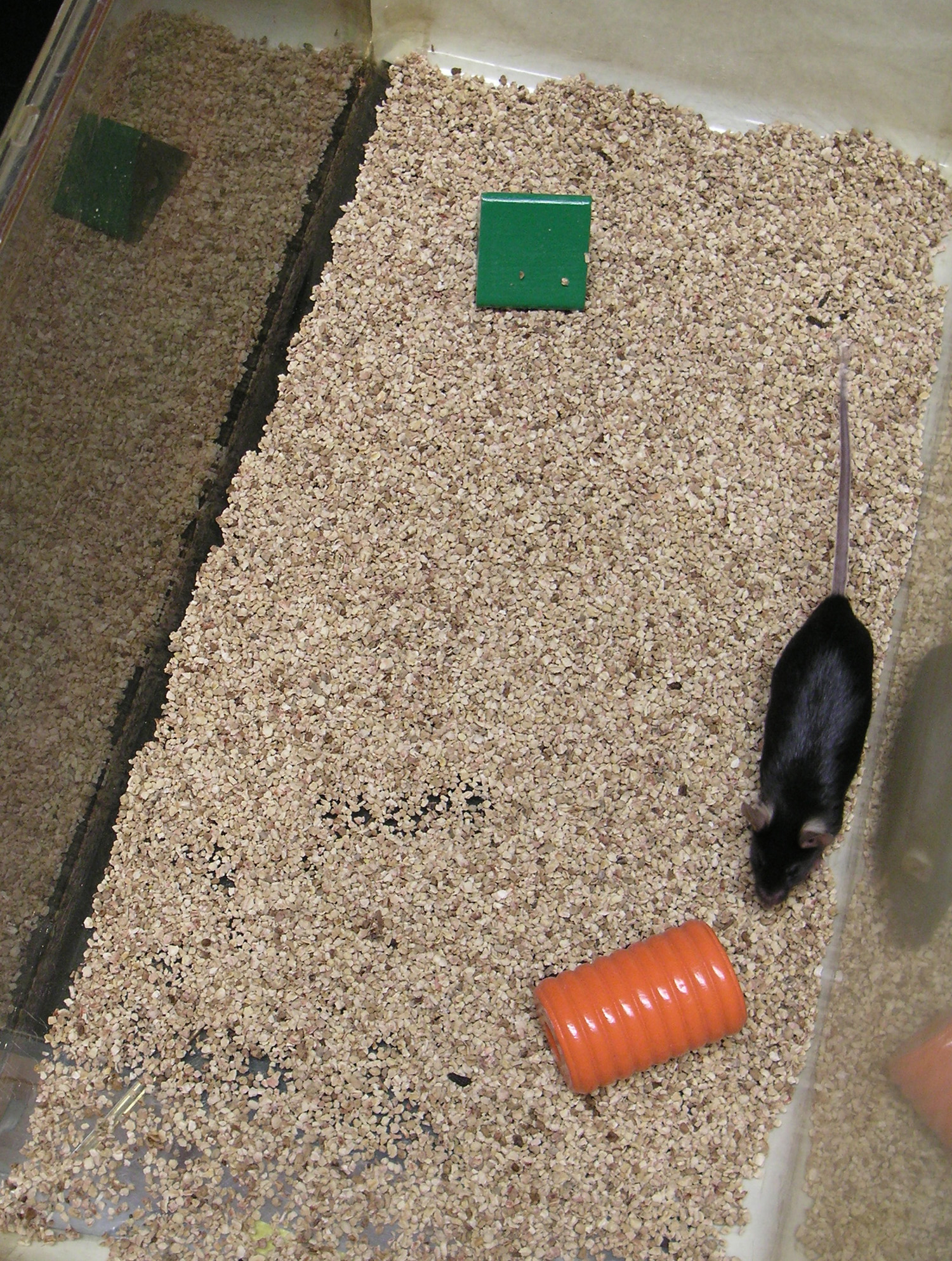
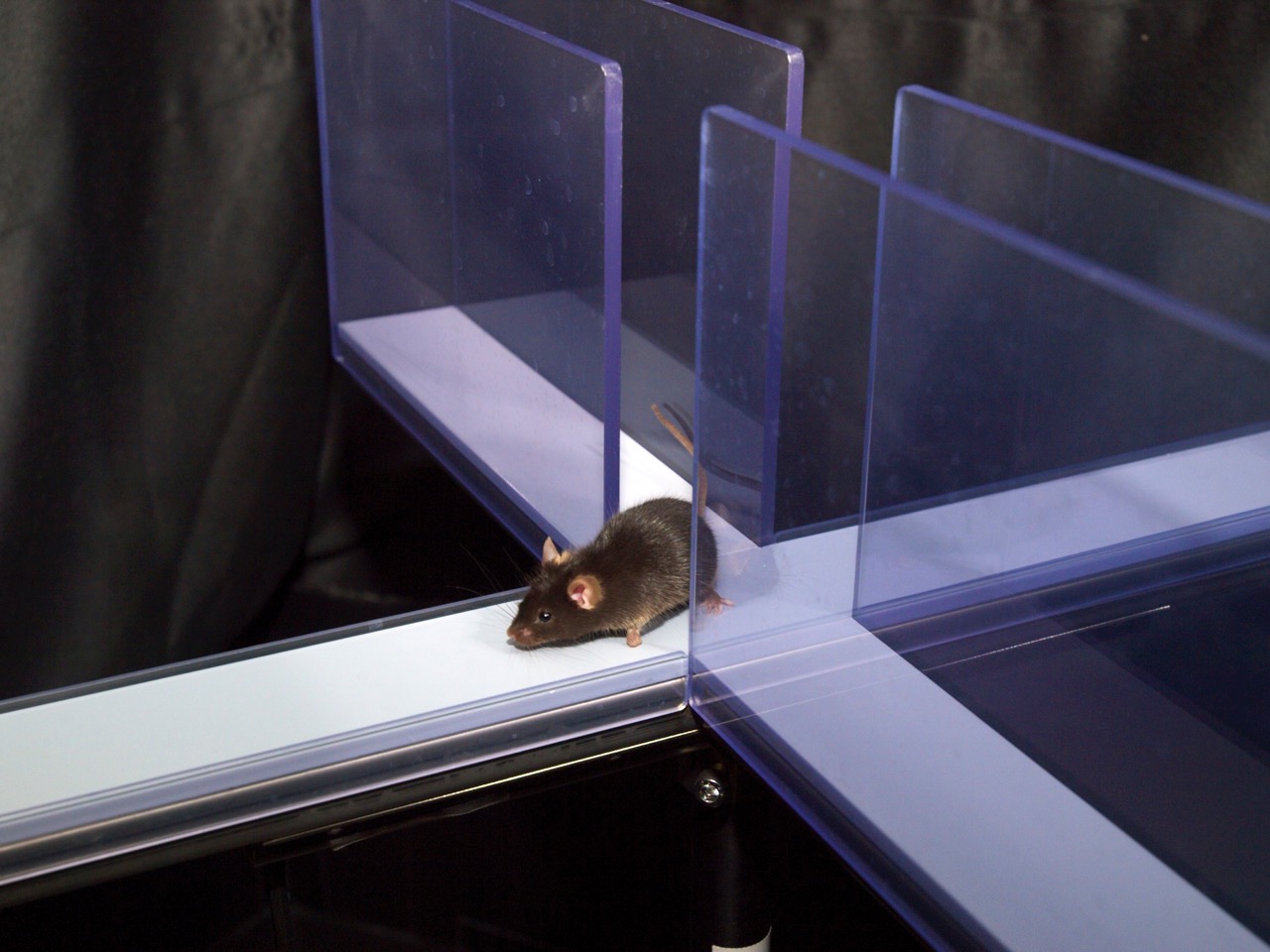
🧠 Behavioral Analysis Setup (Activity Rhythms, Memory, and Emotion)
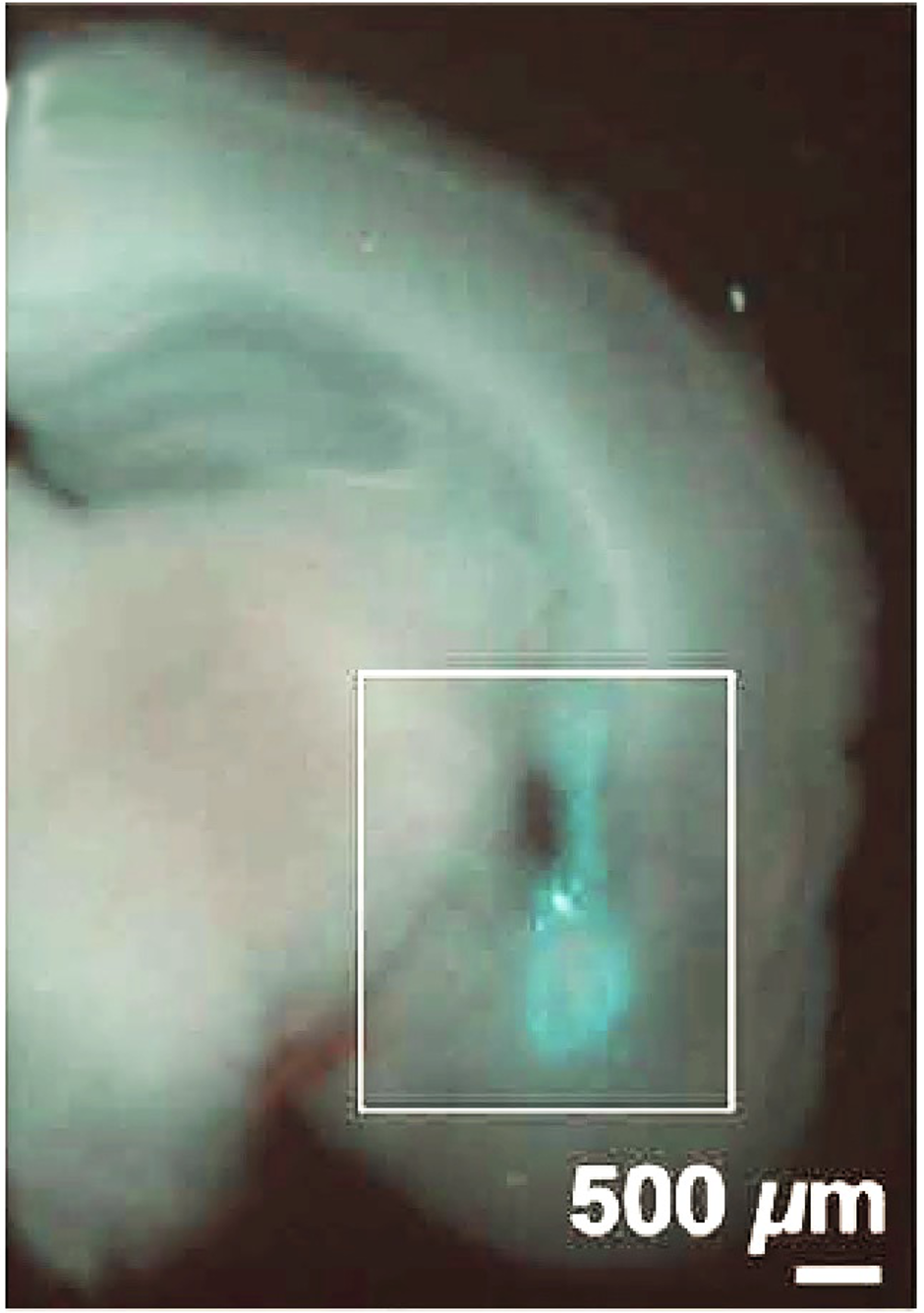
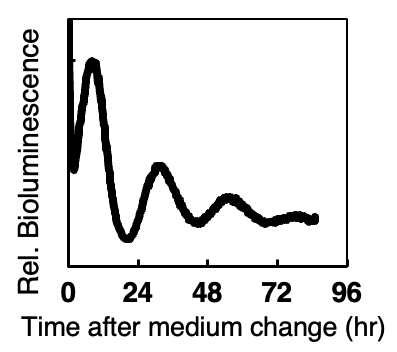
🧫eal-Time Luminescence Measurement (Tissues and Cells)
🦠Site-Specific Gene Introduction via AAV Vectors🧬
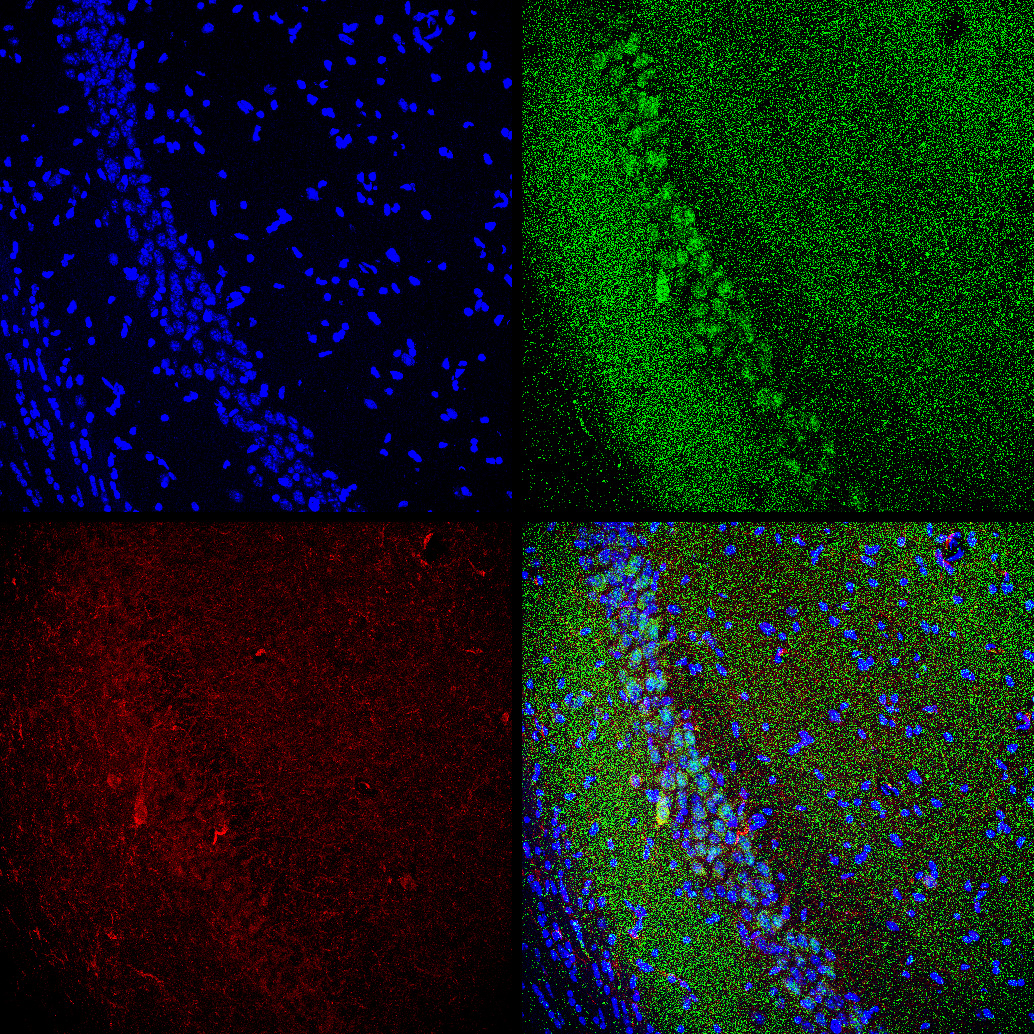
🔬 Confocal Microscopy: Spine Density & Tissue Analysis
🧪 Highly Sensitive UPLC-MS/MS System for Trace Neurosteroid Analysis

Selected Publications

ω